Malawi Rutile – Graphite Project
Project Highlights
- First pass drilling continues to deliver exceptional rutile results
- High grade rutile intercepts returned from 40 drillholes and 180 shallow 0-2m composites.
- Multiple high priority areas to be the focus of 200m x 200m resource drilling in Q2, 2026 to assist with resource estimation.
- Peak results from the 0-2m samples include 1.74%, 1.53%, 1.4%, 1.37% and 1.35% rutile with approximately 85% of results above cut-off grade
- Resource potential to be fully evaluated by further step out, infill and deeper drilling in Q2-Q3 2026
- Graphite assays expected in Q2 – Q3, 2026, anticipated to provide a significant potential economic boost to the project
About the Project
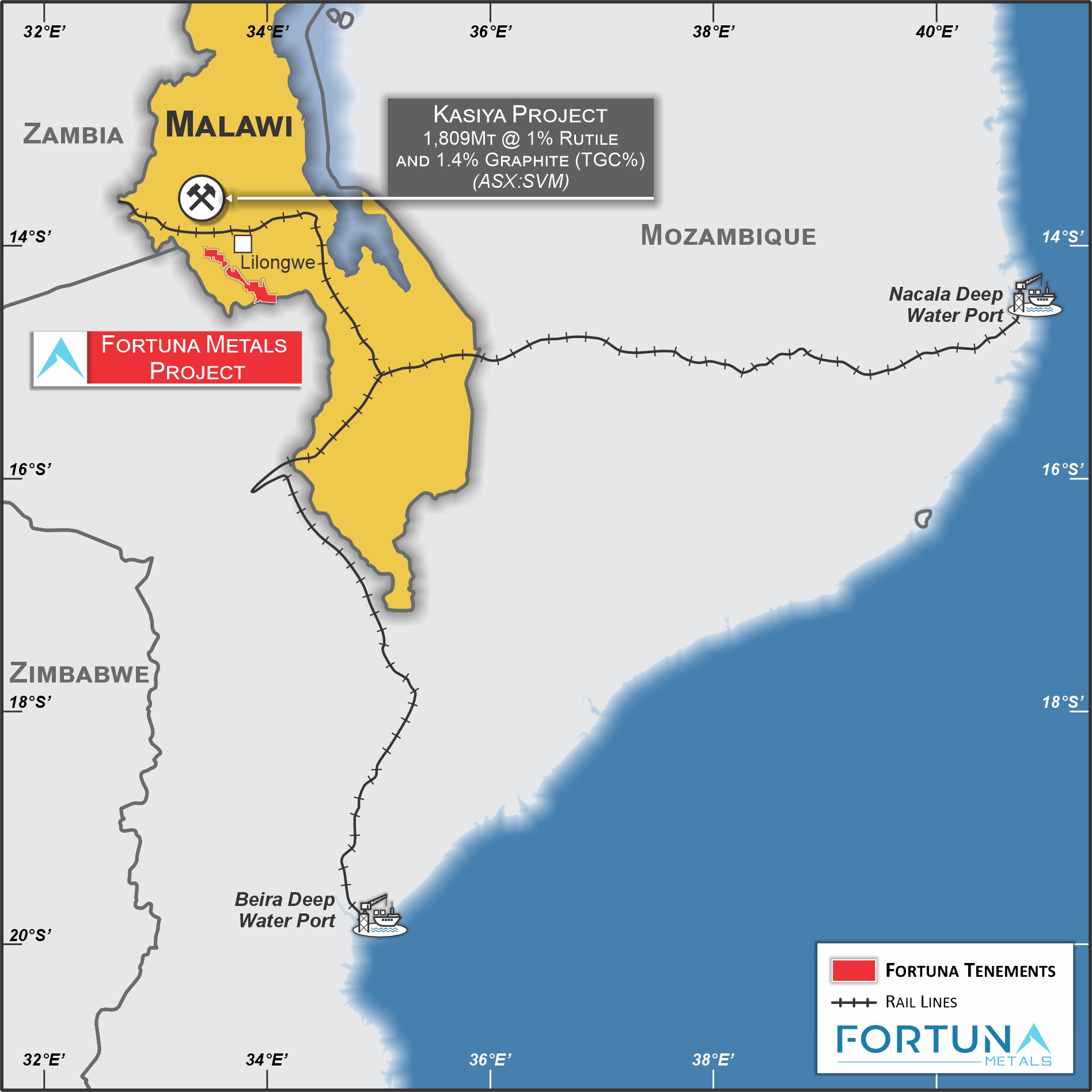
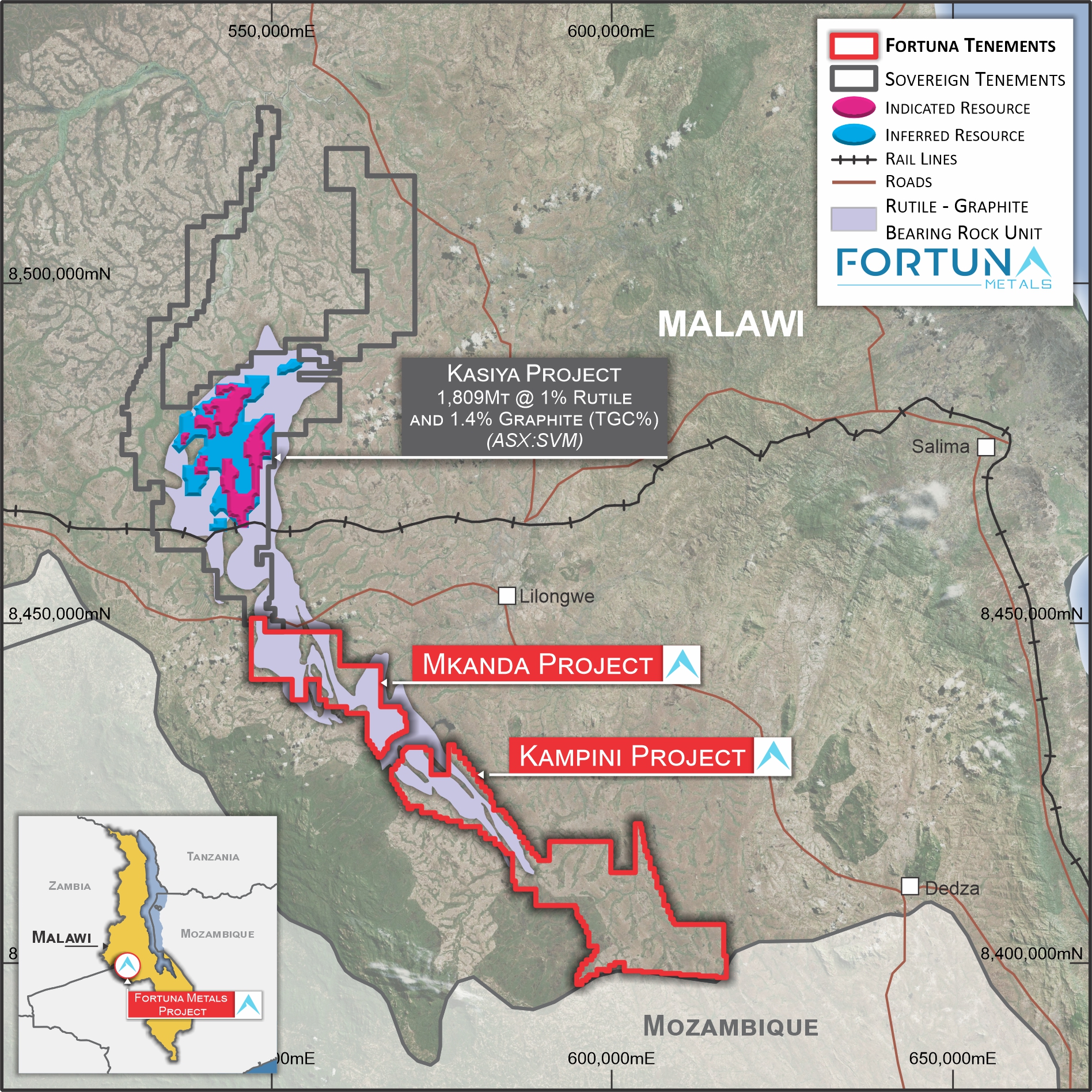
Fortuna’s recently acquired Rutile – Graphite Project in Malawi is located ~30km from the capital city Lilongwe. The Project consists of two granted licences being the Mkanda Project and Kampini Project. The Project is a significant landholding covering 658 sq km of prospective trend along strike of Sovereign Metals (ASX.SVM) Kasiya Rutile-Graphite Project, the largest rutile deposit and second largest graphite deposit in the world.
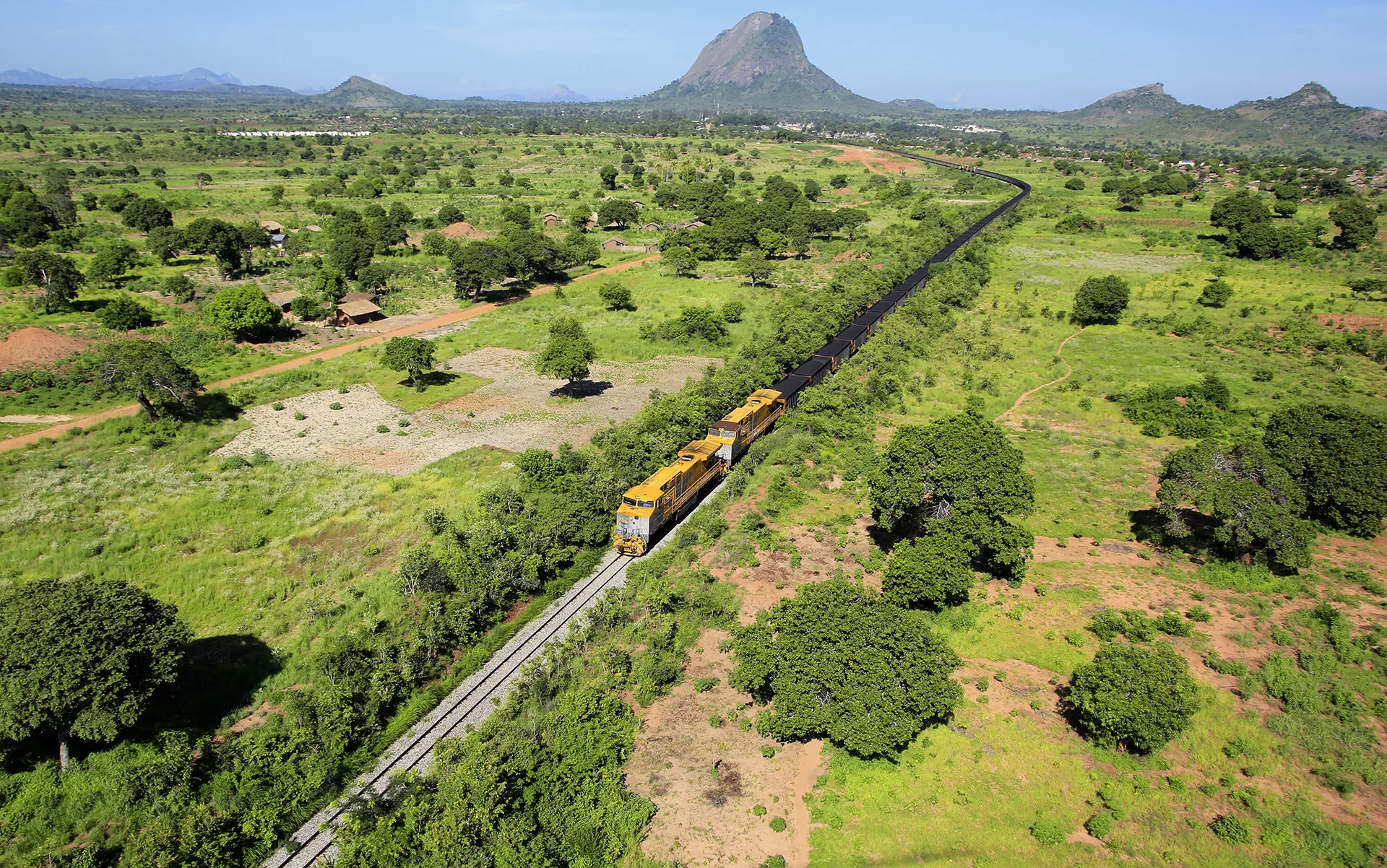
Fortuna has made a significant discovery confirmed by drill results showing multiple zones of high grade rutile from surface to 10m depth with the majority open at depth, along strike and laterally over large areas at the Mkanda project. The company believes the project area is extremely prospective to target a Tier One multi commodity Rutile-Graphite-Rare Earths deposit from surface. Malawi is an emerging major new rutile province, and a stable democratic nation referred to as the Warm Heart of Africa. The country boasts excellent surrounding infrastructure with sealed roads, hydro-sourced grid power and the Nacala rail way ~11km north of the project connecting to the deep-water port of Nacala on the Indian Ocean.
Rutile is the purest, highest-grade form of naturally occurring titanium feedstock for high-end titanium metal used in robotics, aerospace and defence applications. Titanium has superior material properties that are prized across advanced industries.
Rutile has a far higher strength to weight ratio than aluminium and magnesium alloys and is 45% lighter than steel. Titanium metals can be up to 3 to 5 times stronger than stainless steel, and has superior corrosion resistance, making durable long-life products.
The Company plans to undertake rapid cost-effective exploration with the aim of defining significant mineral resources that have been proven to be hosted in the paragneiss saprolite host rock at Sovereign Metals adjacent to our project. The company intends on delivering consistent news flow catalysts and updating the market as exploration progresses.

Recent Results (March 2026)
Fortuna Metals Limited (ASX: FUN) is pleased to announce further drilling results at the Mkanda rutile and graphite Project (Project) in Malawi, Africa.
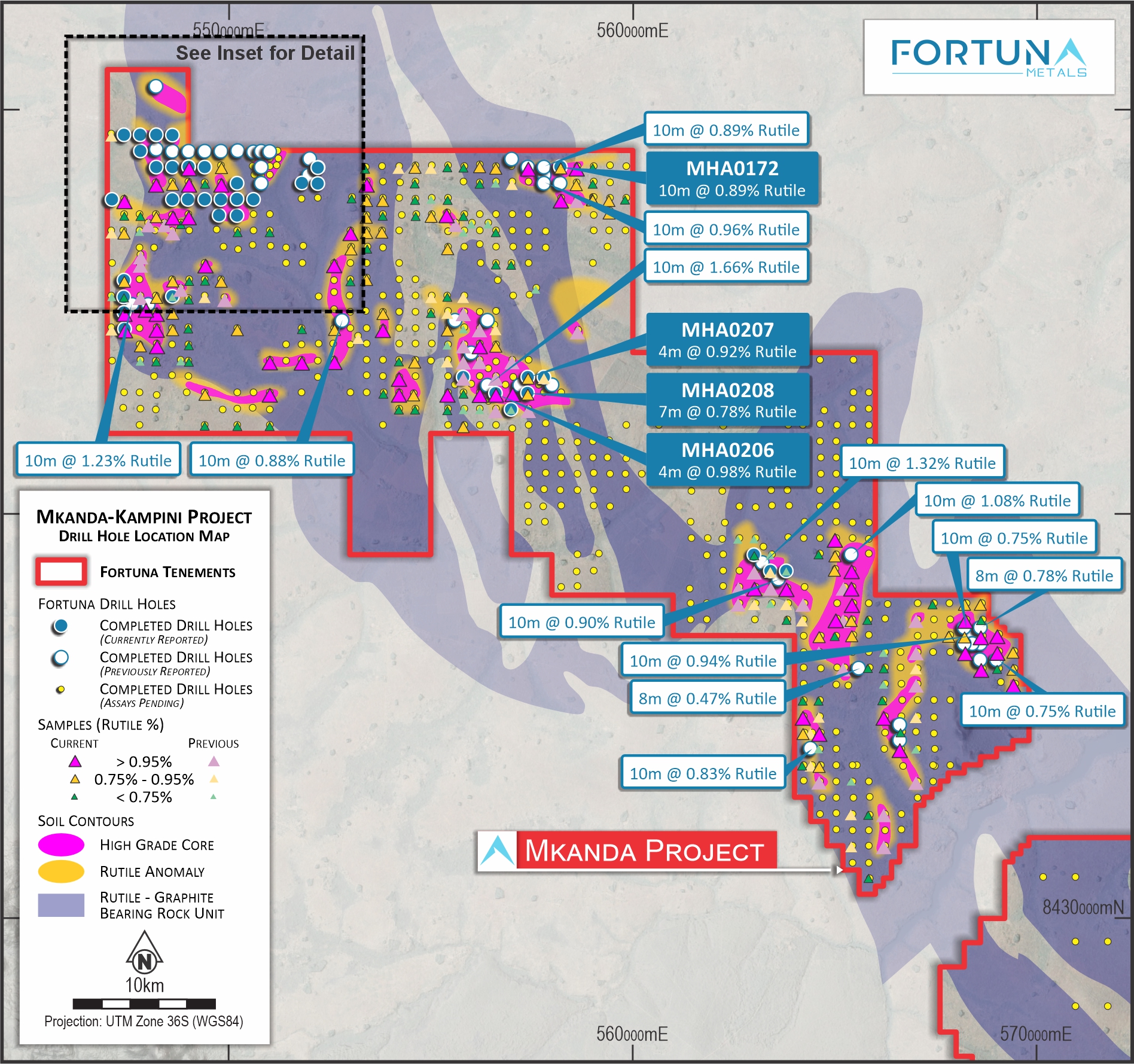
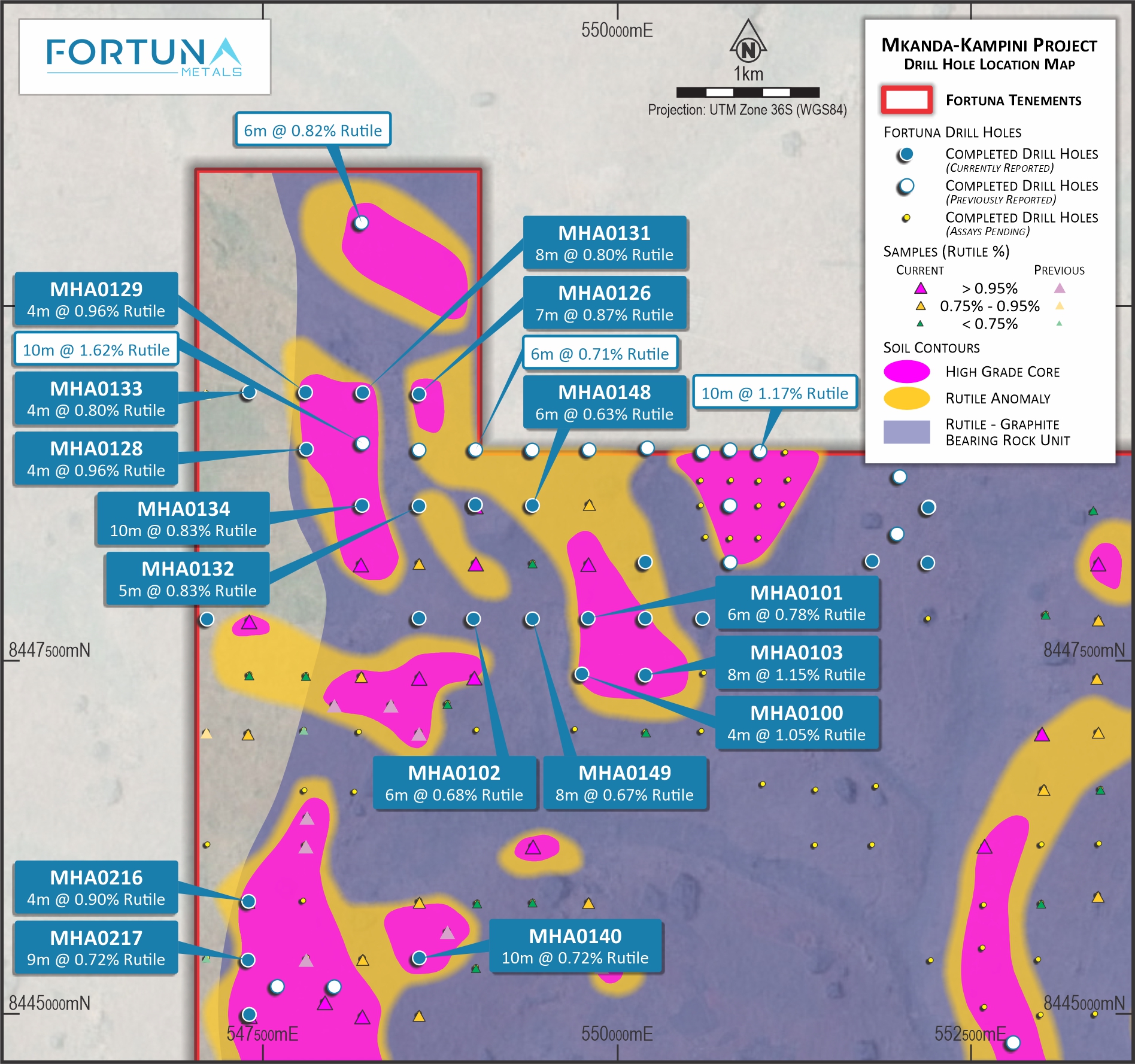
A total of 40 drill holes and a further 180 drillholes 0-2m samples have been received. Results confirm rutile mineralisation is present over large areas at Mkanda with best results of 8m @ 1.15%, 10m @ 0.89% and 10m @ 0.83%, with many of the drillholes rutile mineralisation open at depth. Peak results from the 0-2m samples include 1.74%, 1.53% and 1.4% rutile with approximately 85% of results above cut-off grade, demonstrating the widespread nature of rutile mineralisation across the project.
There remain a further 485 full holes assays to be received and a further 321 of the shallow 0-2m sample assays to be returned that will further shape the potential size of the anomalies identified to date. The high-grade cores have now expanded to 17.8km2 and are located within multiple broader rutile anomalies that cover a total of approximately 37km2 . The results for the 0-2m sample will guide the selection of which drillholes will be sent for priority analysis for the remainder of the drillhole samples. Selective assaying of high-grade areas will increase the turnaround time of assays leading to a quicker potential maiden inferred resource estimation to occur H2 2026. This is a quick and cost-effective strategy for first pass reconnaissance drilling program designed to highlight the wide spread nature of the rutile mineralisation at Mkanda and to identify areas of the highest grade which will be the focus of step out, infill and deeper drill programs in 2026.
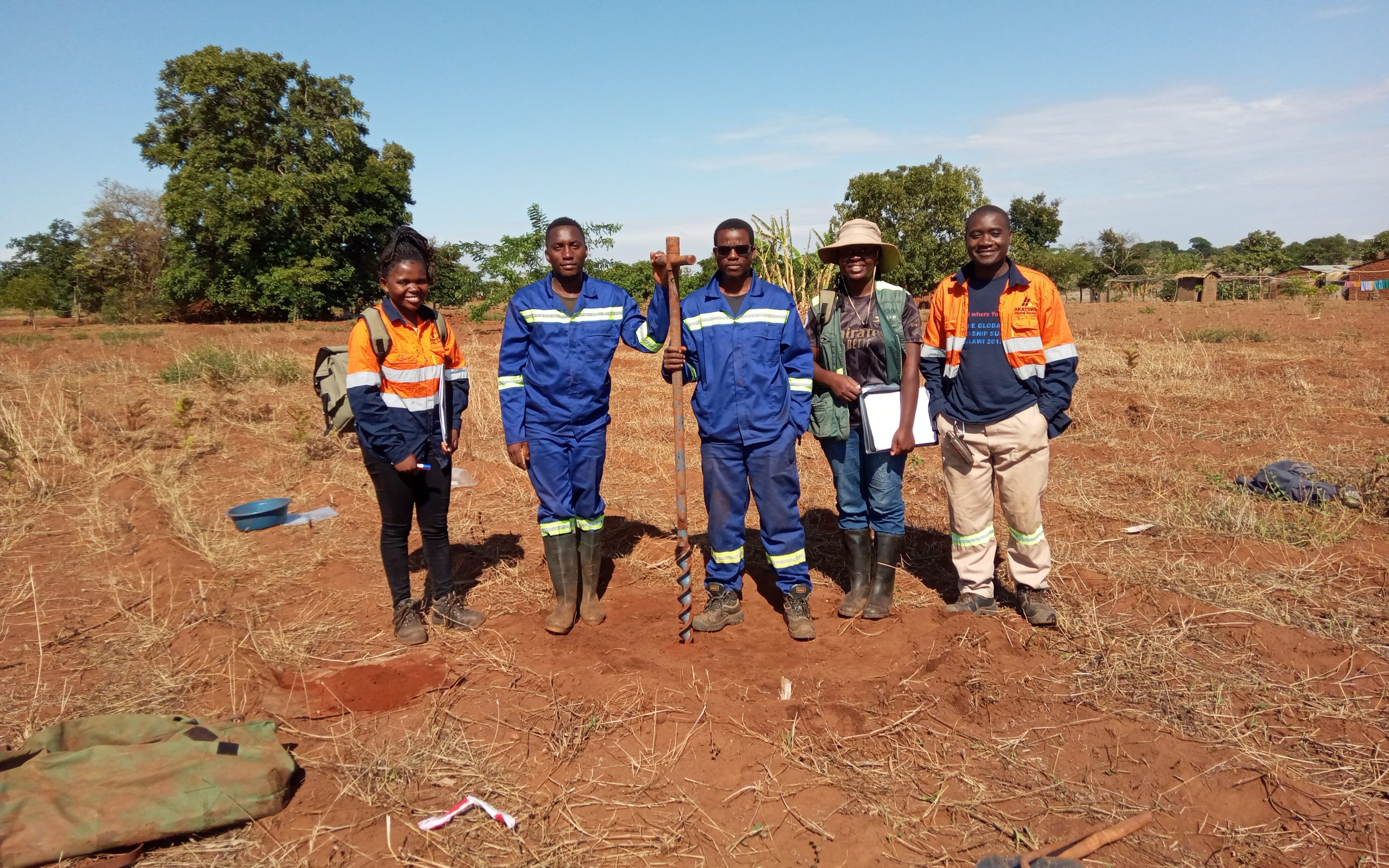
The Company has completed 675 drill holes on a notional 800m and 400m spacing across 180km² of the Mkanda project. Further work programs will be designed to assess the potential for rutile mineralisation to extend over large areas and between the anomalies defined to date. The results of the remaining hand auger drilling completed in 2025 will be released throughout Q1 and Q2, 2026.
Project Background
The Mkanda and Kampini Projects extend over an area of 658km² and are located in Malawi, immediately to the south of Sovereign Metals Limited’s (ASX: SVM) world class Kasiya rutile project. Kasiya is the largest rutile and the second largest flake graphite deposit in the world.3
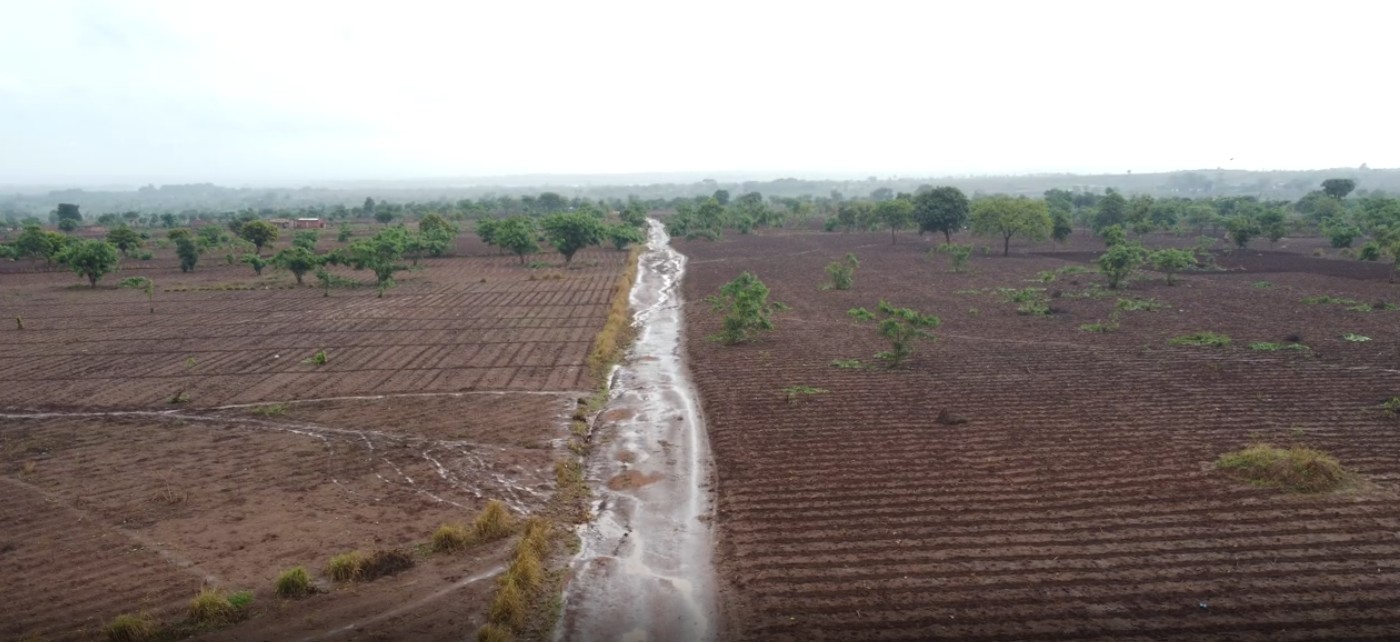
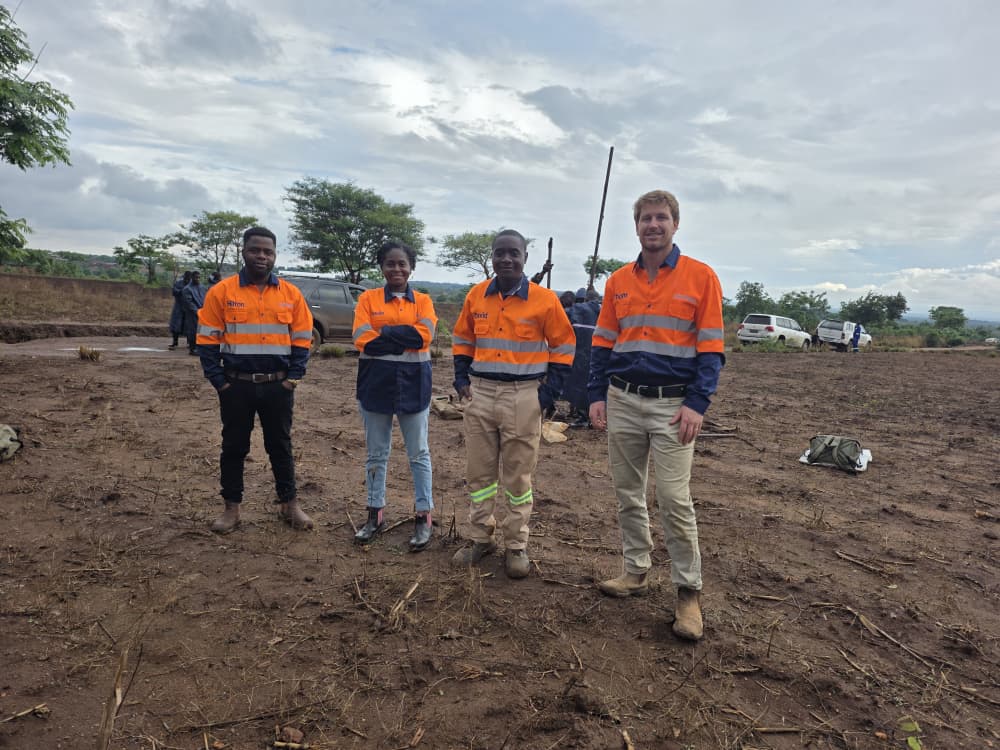
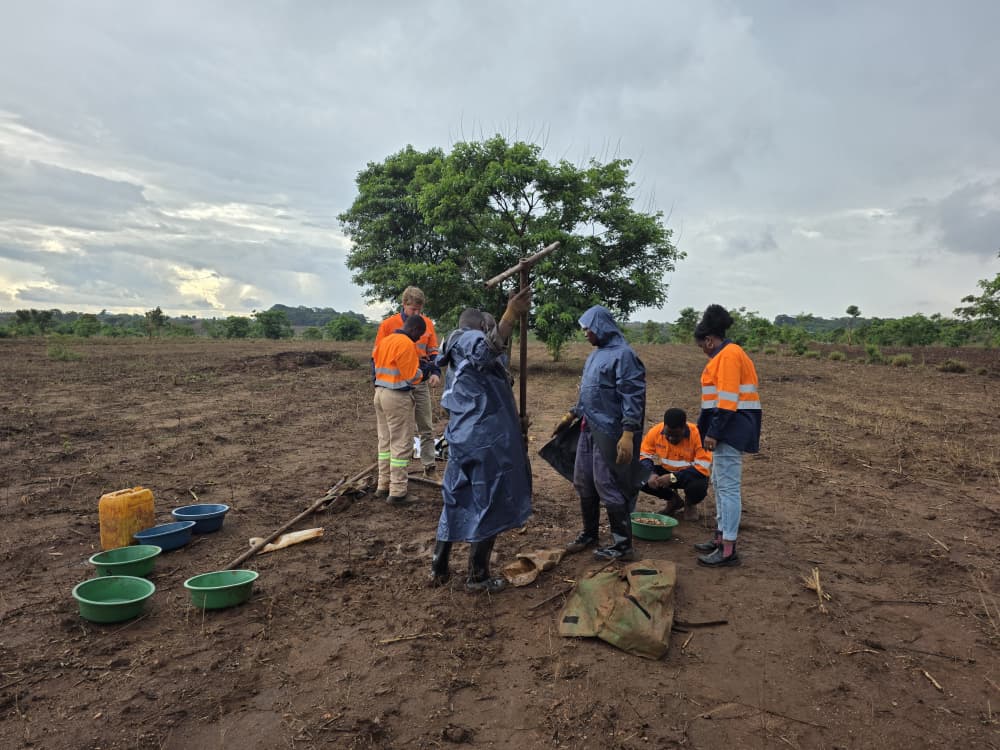
Drilling programs at Mkanda completed in Q4 2025 totalled 675 drill holes with an average depth of 8m. The drilling is designed as a first pass reconnaissance to investigate large areas across the project to identify the highest grade rutile and graphite mineralisation. The hand auger drilling to date is averaging 8m with drillholes terminated as sample quality declines once in the water table. Drilling next dry season will use a combination of hand auger and aircore drilling anticipated to commence from May 2026 to step out and infill the highest grade areas as defined by the hand auger results from 2025. The use of Aircore drilling is critical to be able to drill past the perched water table and deeper down to the saprock boundary. The saprock boundary has been defined at Kasiya to be about 20 to 30m depth. The Aircore drilling will be key to demonstrating the resource potential at these greater depths and vastly improve the project economics.
The strategy to assay the top 0-2m sample allows for rapid and cost-effective exploration to identify the high-grade rutile anomalies and quickly map shallow mineralisation potential. The 0- 2m results will guide assay priority to ensure highest grade areas are sent for analysis first, speeding up the turnaround time and reducing assay costs of lower grade areas. The high-grade rutile anomalies will be the focus for further resource drilling on a 200 x 200m grid in the coming 2026 drilling program Assays for further 0-2m intervals from the 321 remaining hand auger drill holes as well as complete drill hole intervals (generally 8-10m) for high grade areas identified are expected consistently throughout Q1, 2026.
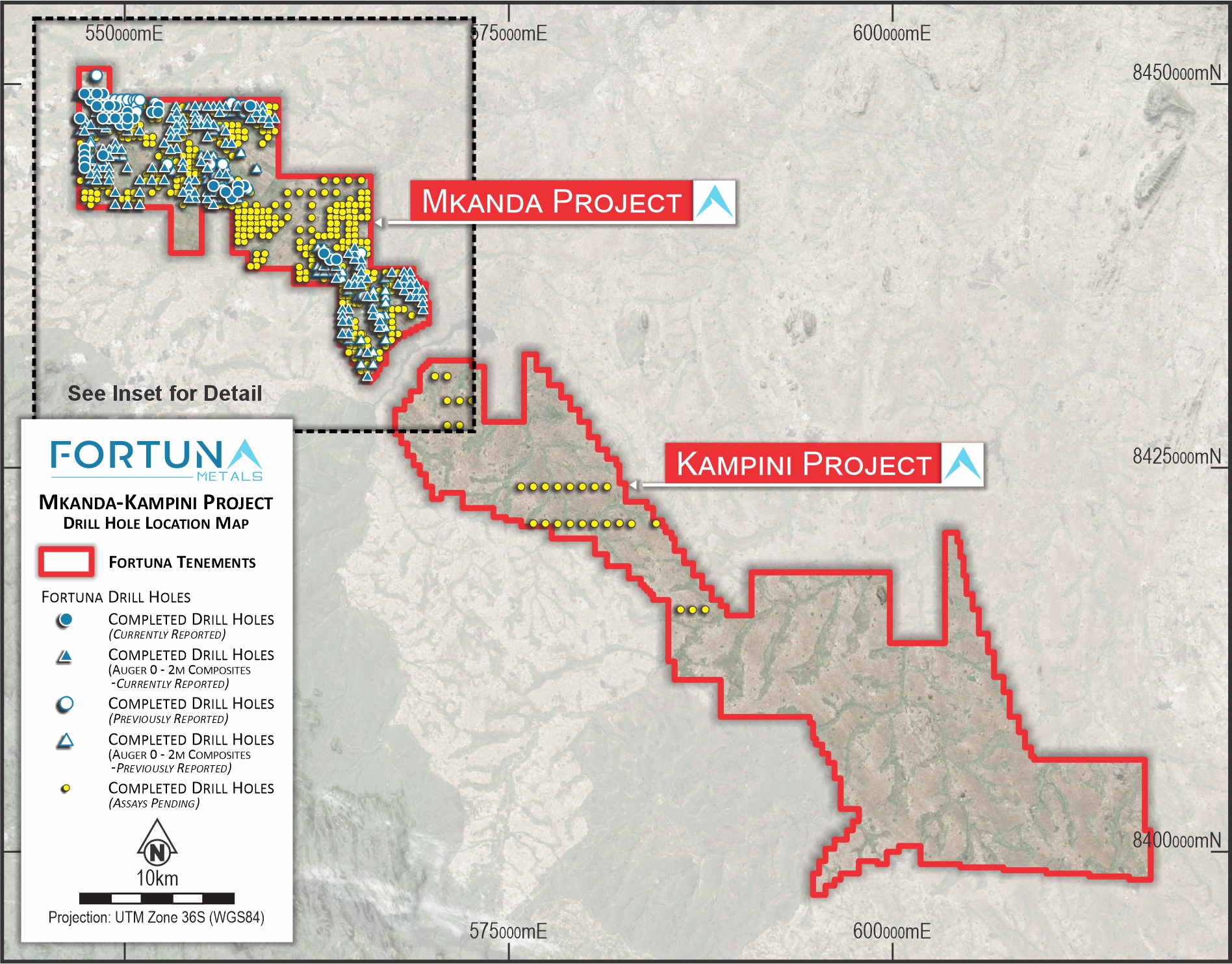
Fortuna’s projects cover the majority of the 70km strike extent of the same Lilongwe Plain weathered gneiss that hosts the rutile and graphite at Kasiya. The high-grade rutile deposit at Kasiya is best described as a residual placer or eluvial heavy mineral deposit. The enrichment of rutile into economic mineralisation is a result of weathering of the primary host rock and concentration, in-place of heavy minerals, as opposed to the high energy transport and concentration of heavy minerals in a traditional placer. The enrichment stage came as tropical weathering during the Tertiary depleted the top ~5 to 10m of physically and chemically mobile minerals. This caused significant volume loss and concurrent concentration of heavy minerals including rutile.
The recent hand auger results show similarities to the nearby world-class Kasiya rutile deposit. That is, a geometry of high-grade, core zones of mineralisation to end of hole flanked by zones of surface only mineralisation generally of 2 to 4m thickness. The Mkanda project is located in the same geological setting and the results received to date continue to confirm the similarity across broader areas of the Mkanda project as seen at Kasiya, just 20km to the north.
The projects have excellent infrastructure availability, with the central region being approximately 20km from the capital city of Lilongwe, 25km from rail access (11km at the most northern boundary) to the Nacala rail corridor connecting to the Nacal deep water port in Mozambique, 15km from high-capacity power lines and with plentiful fresh water for potential future processing options.
Rare earths and graphite analysis is being undertaken in parallel as part of the multi commodity focus given the recent strategic heavy rare earths recovered at Kasiya2 and the coarse flake graphite known to occur in the region. Kasiya hosts the world’s second largest coarse flake graphite deposit5 and is a potentially attractive value add for the overall project economics. Sovereign’s Kasiya Ore Reserve is uplifted from 1.03% rutile to 2.00% rutile equivalent (RutEq) once graphite credits are included2 . 115 drill holes are being sent to Intertek in Zambia for graphite analysis with results expected in Q1, 2026. Rare earth analysis will be undertaken on the magnetic fraction following initial rutile analysis.
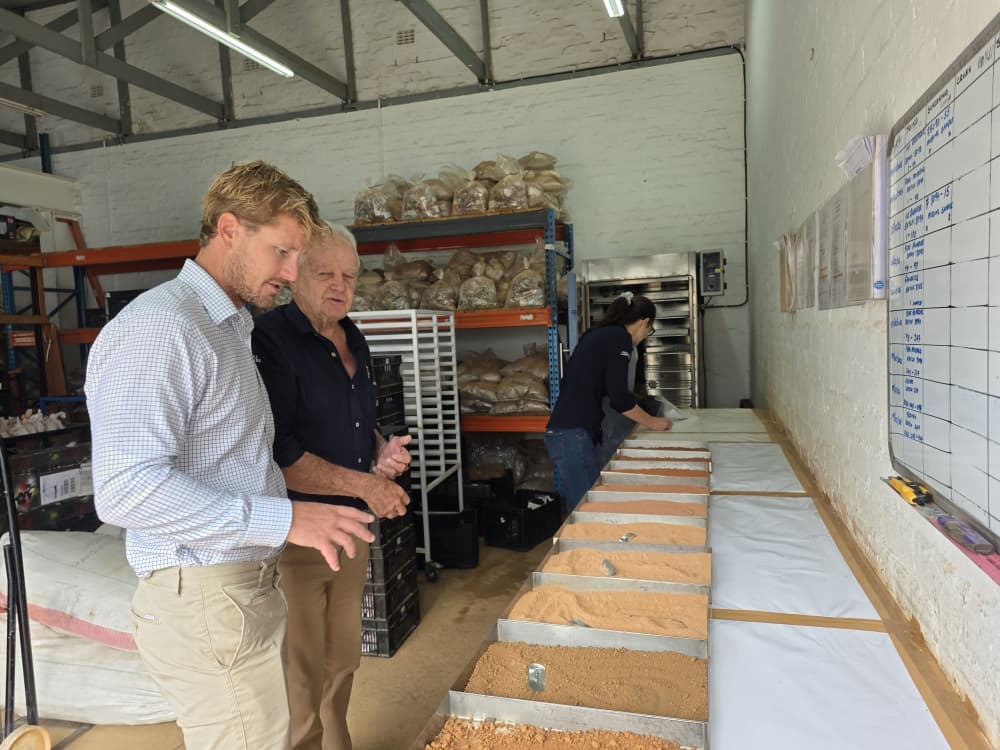
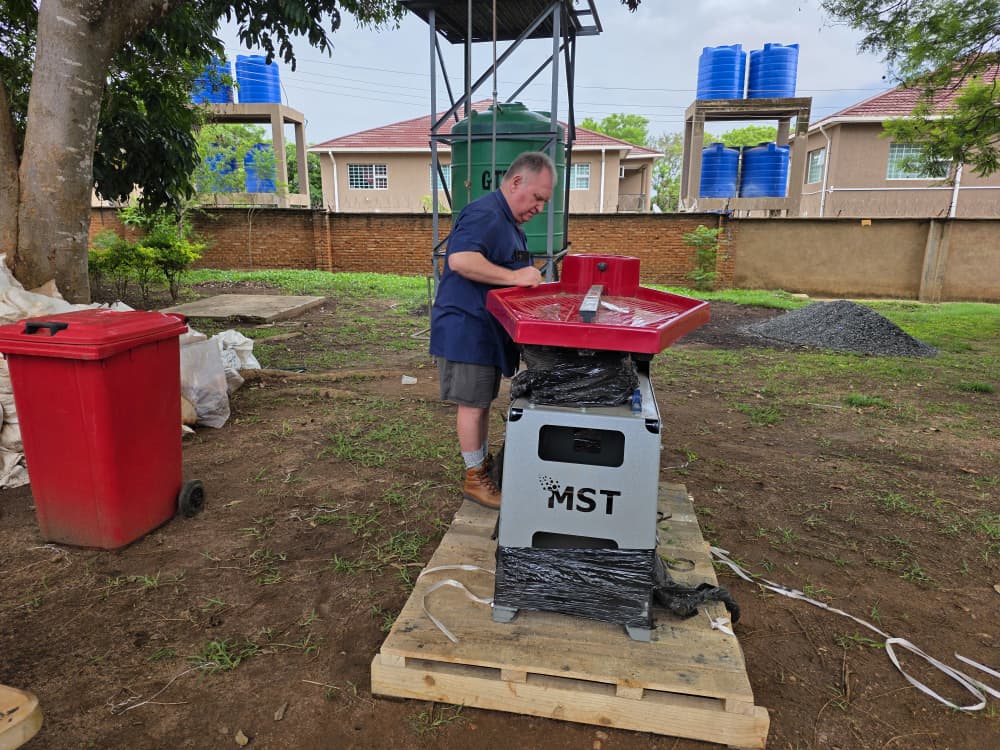
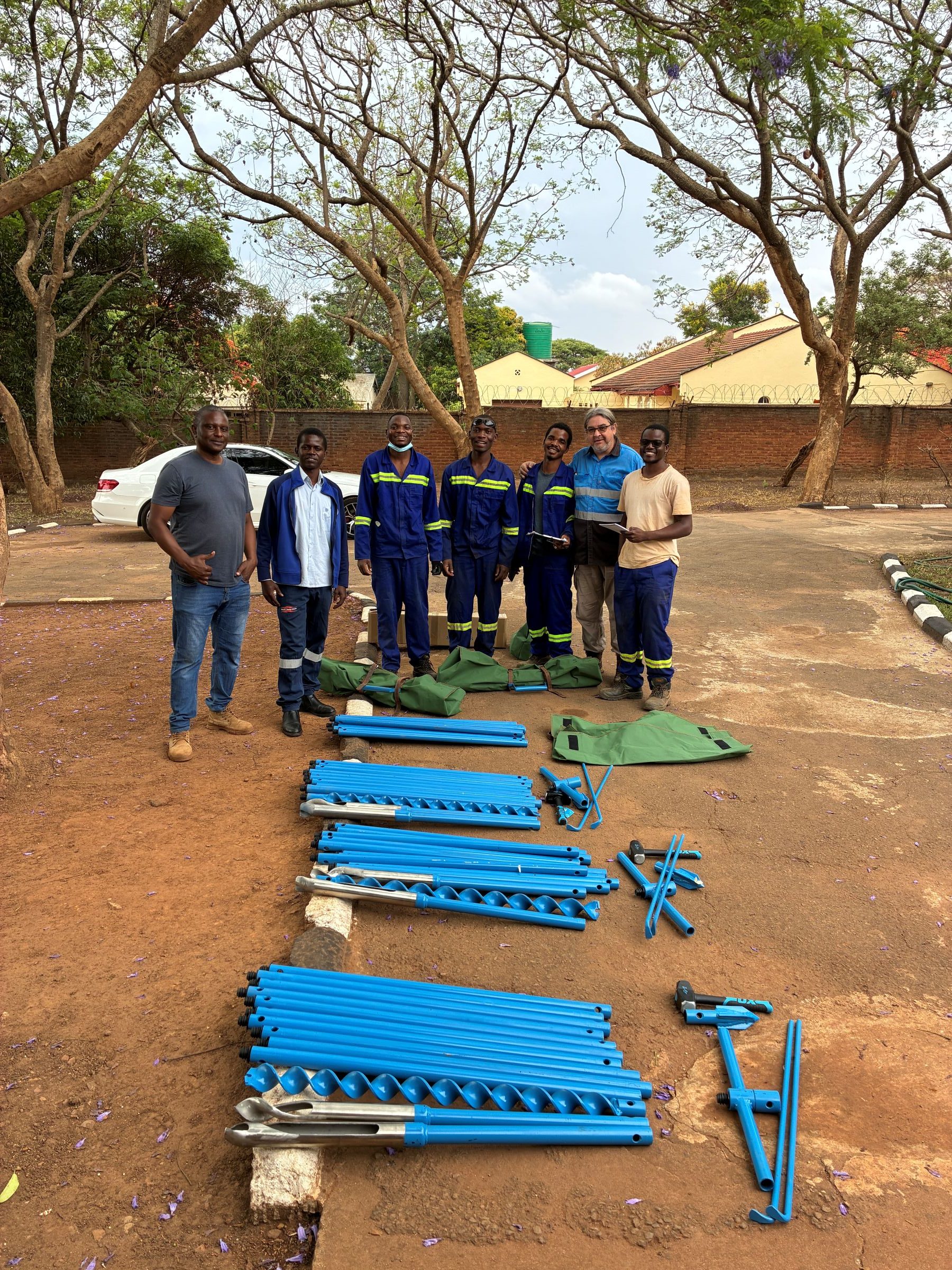
The Company is setting up a low-cost in-country laboratory for the initial steps of preparing the sample for heavy mineral separation (HMS). Two Gemini wet shaking tables have arrived at the Company’s facilities which will accelerate turnaround times of assays and support quicker decision making to guide drilling efforts in 2026. The samples that undergo in-country sample preparation will be sent to an external laboratory for analysis.
Rutile – Critical
Mineral Titanium in robotics is revolutionising the field of next-gen machines due to its unique properties of lightweight strength and high durability. As robotics and humanoids become more advanced, the demand for materials like titanium grows significantly. Titanium excels in meeting the dual requirements of lightweight construction and robust performance, making it an essential component for robotic technology advancements. 6
Titanium alloys allow complex, lightweight construction techniques that reduce energy consumption while maintaining operational effectiveness. Robotic technology advancements driven by these materials also contribute significantly to industrial automation, including precision tasks like medical equipment handling and high-tech manufacturing.6
Commercial titanium dioxide products; natural rutile (TiO2 93-97%), leucoxene (TiO2 70-93%) and ilmenite (TiO2 48-64%) are the principal feedstocks for pigment production, titanium metal, welding electrodes and advanced manufacturing.
Natural rutile is a highly sought-after, high-grade titanium feed source currently selling for approximately US$1,100 – 1,700 per tonne. The outlook for titanium metal is estimated to increase significantly from US$30B in 2025 to US$54B by 2034 – CAGR 6.5%. 7
Natural rutile is the highest quality and best source of titanium feedstock for manufacturing titanium metals and TiO2 pigment. Traditional deposits are becoming exhausted with legacy producers in decline, with an anticipated tight supply and industrial demand growth expected to drive strong future prices.
References
1 Sovereign Metals Limited (ASX: SVM), Project Vault Participant Traxys Signs Offtake MOU For Kasiya Graphite, ASX Release, 17 February 2026
2 Sovereign Metals Limited (ASX: SVM), Strategic Heavy Rare Earths Recovered at Kasiya, ASX Release, 21 January 2026
3 Sovereign Metals Limited (ASX: SVM), March 2025 Quarterly Report, ASX Release, 30 April 2025
4 Sovereign Metals Limited (ASX: SVM), Optimised PFS Results, 22 January 2025. The Kasiya deposit comprises 1,200Mt @ 1.0% TiO2 and 1.5% TGC and 609Mt @ 0.9% TiO2 and 1.1% TGC at a 0.7% cut-off as at 5 April 2023.
5 Sovereign Metals Limited (ASX:SVM), Maiden JORC Resource Confirms Kasiya as one of the World’s Largest Rutile Deposits, ASX Release, 9 June 2021
6 Retrieved from https://titanium-vstreet.com/blog/titanium-in-robotics-lightweight-strengthfor-next-gen-machines
7 Precedence Research – Titanium Market Size, Share, and Trends 2024 to 2034. (19 May 2025). Retrieved from https://www.precedenceresearch.com/titanium-market